

Learn what research peptides are, how they’re used in laboratory studies, and why purity, testing, and sourcing matter when choosing a peptide supplier.
What Are Research Peptides?
Research peptides are short chains of amino acids synthesized for laboratory and scientific investigation. In controlled research environments, peptides are studied for their role in cellular signaling, metabolic pathways, neurological processes, and tissue regeneration models.
Unlike pharmaceutical drugs or supplements, research peptides are not intended for human or veterinary use. They are produced strictly for in-vitro studies, analytical research, and preclinical investigation conducted by qualified professionals.
Because peptides interact with highly specific biological pathways, precision and purity are essential for obtaining reliable and reproducible research results.
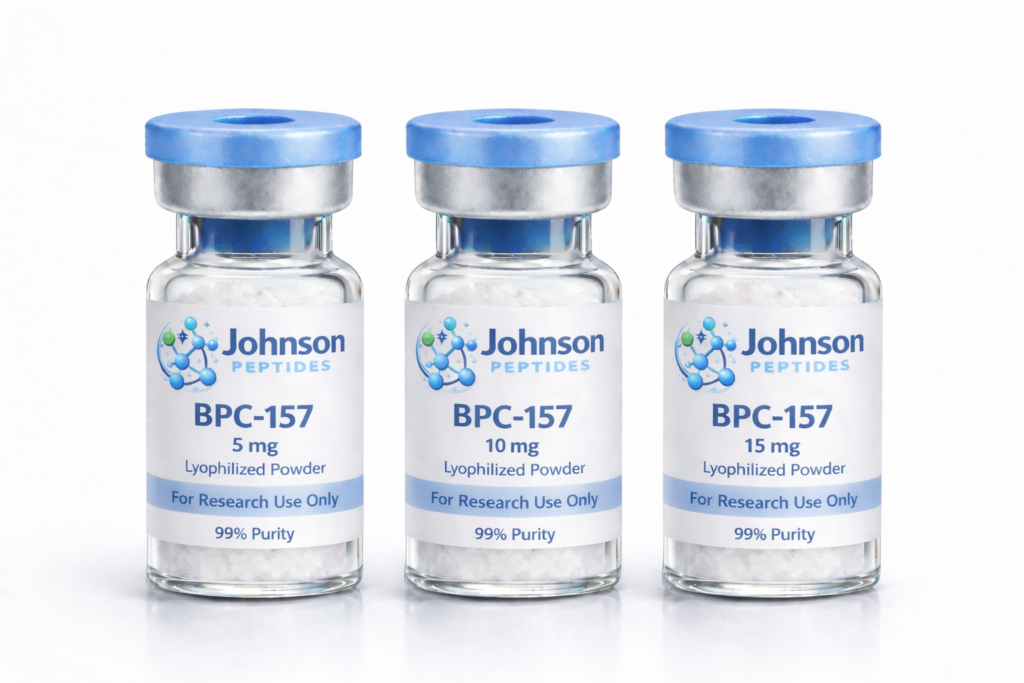
Common Areas of Peptide Research
Research peptides are widely used across multiple scientific fields, including:
🧬 Metabolic & Endocrine Research
Peptides studied for glucose regulation, hormone signaling, and energy balance pathways.
🧠 Neurological & Sleep Research
Neuropeptides investigated for neurotransmitter modulation, circadian rhythm studies, and stress-response mechanisms.
🔬 Tissue Repair & Regenerative Models
Peptides explored for their involvement in angiogenesis, extracellular matrix regulation, and cellular repair signaling.
⚡ Mitochondrial & Longevity Research
Compounds studied for mitochondrial efficiency, oxidative stress response, and cellular aging pathways.
These applications highlight why consistent quality is critical when selecting peptide compounds for research.
Why Peptide Purity Is Critical in Research
Peptide purity directly impacts experimental accuracy. Impurities can interfere with receptor binding, alter signaling pathways, and produce misleading data.
High-quality research peptides should meet the following standards:
- ≥98% purity verified by HPLC
- Clear molecular identification
- Batch-to-batch consistency
- Proper lyophilization for stability
At Johnson Peptides, every product is manufactured to strict research-grade specifications and verified for purity to support reliable scientific outcomes.
How to Choose a Reliable Research Peptide Supplier
When sourcing peptides for laboratory use, researchers should consider more than price alone. A trustworthy supplier prioritizes:
✔ Transparent purity testing
✔ Batch-specific documentation
✔ Clear research-use disclaimers
✔ Multiple dosage variations
✔ Secure, professional packaging
Johnson Peptides is committed to supplying compounds that meet these expectations, helping researchers focus on results—not uncertainty.
Research Compliance: What You Should Know
All research peptides sold by Johnson Peptides are:
- Intended only for laboratory research and in-vitro analysis
- Not approved by the FDA for medical or clinical use
- Not intended to diagnose, treat, cure, or prevent disease
Maintaining ethical and regulatory compliance protects both researchers and institutions while ensuring scientific integrity.
Why Researchers Choose Johnson Peptides

Researchers across the USA trust Johnson Peptides because we deliver:
- High-purity, lab-verified peptides
- Consistent quality and reliable sourcing
- Clear research-only compliance
- Fast and secure order fulfillment
Our goal is to support scientific progress with dependable peptide compounds researchers can rely on.

